 Reviews

 Proudly American
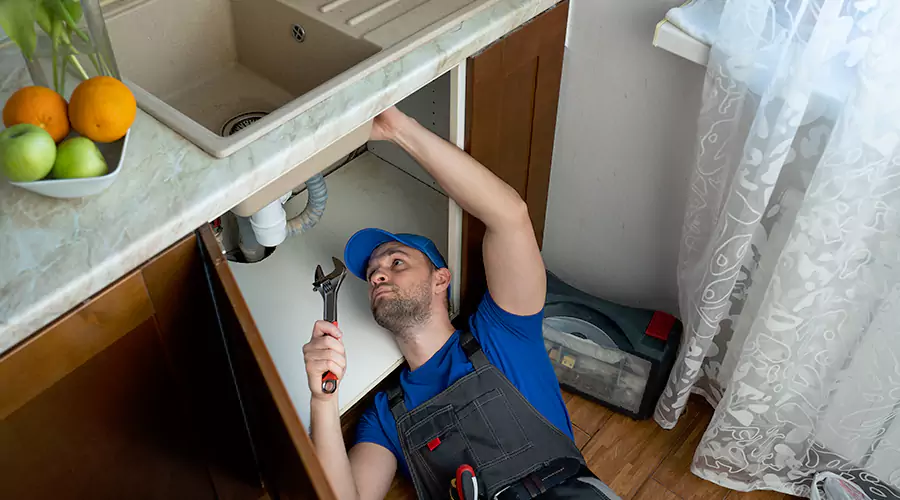
Sewer line problems are among the most serious plumbing issues homeowners can face. When sewer lines fail, they can cause extensive water damage, pose significant health hazards, and lead to costly repairs or full replacements. Recognizing warning signs early allows homeowners to take preventive action, schedule professional inspections, and avoid a full-scale sewer line emergency.
This guide explains common warning signs of sewer line issues, the potential causes, and the steps homeowners can take to protect their plumbing system and property.
Why Sewer Line Maintenance Is Important
A failing sewer line can have severe and far-reaching consequences:
- Contaminated Water Backup: Sewage can enter sinks, toilets, or even basements, posing serious health risks.
- Structural Damage: Leaks or flooding can weaken foundations, floors, and walls.
- Expensive Repairs: Undetected issues can escalate to pipe collapse or the need for full sewer line replacement.
- Damage to Landscaping and Pipes: Underground copper, PVC, or PEX water pipe installations may suffer from leaks, corrosion, or displacement due to sewer line problems.
Early detection is critical for preventing major disruptions and protecting both your home and family. Regular inspections and proactive maintenance are key to avoiding emergencies.
Common Causes of Sewer Line Problems
Tree Root Intrusion
Roots naturally seek water sources and can infiltrate sewer lines through small cracks or joints. Once inside, roots expand, causing blockages, cracks, and even pipe displacement.
Aging or Corroded Pipes
Older pipes, including copper, PVC, clay, or cast iron, naturally degrade over time. Corrosion, rust, and cracks weaken pipes, increasing the risk of leaks or full collapse.
Clogs from Debris
Excessive toilet paper, non-flushable wipes, grease, or other debris can accumulate in pipes. Over time, these clogs restrict water flow and contribute to damage in sewer lines.
Ground Shifts or Settling
Soil movement due to rain, construction, or natural settling can stress underground pipes, causing joint separation, cracks, and misalignment.
Poor Installation
Sewer lines installed with improper slopes or substandard materials may experience slow drainage, recurring clogs, and early failure.
Understanding these causes helps homeowners take preventive measures before a minor issue escalates into a costly repair.
Warning Signs of Sewer Line Issues
Homeowners should watch for these common indicators of failing sewer lines:
- Slow Drains: Multiple sinks, tubs, or toilets draining slowly may signal a blockage in the main sewer line.
- Gurgling Sounds: Bubbling or gurgling noises in drains when using other fixtures often indicate trapped air from a blockage.
- Foul Odors: Persistent sewage smells inside or around your home can point to leaks or compromised sewer lines.
- Lush or Soggy Patches in the Yard: Excess water in certain areas may indicate underground leaks.
- Unexplained Water Damage: Moisture in basements, crawl spaces, or walls without visible cause is a red flag.
- Frequent Backups: Recurring toilet, sink, or shower backups suggest a deeper sewer line problem.
Early attention to these warning signs can save homeowners thousands of dollars in repairs and prevent severe property damage.
Steps to Prevent Sewer Line Failure
Schedule Professional Sewer Inspections
Licensed plumbers use cameras and diagnostic tools to detect blockages, cracks, or root intrusion. Professional inspections ensure copper, PVC, or PEX water pipe installations are functioning properly.
Avoid Flushing Non-Flushable Items
Only flush human waste and toilet paper. Avoid wipes, paper towels, grease, or other debris that can accumulate and clog sewer lines.
Manage Tree Roots Near Sewer Lines
Avoid planting trees or large shrubs close to sewer lines. If roots are a concern, professional installation of root barriers can prevent future intrusion.
Maintain Drain and Sewer Lines
Regular cleaning helps prevent buildup and clogs. Routine maintenance reduces the risk of minor problems escalating into major sewer line failures.
Repair Minor Issues Promptly
Address small leaks, slow drains, or unusual odors immediately. Timely repairs prevent escalation to full pipe collapse or sewer backups.
Why Professional Plumbing Services Are Essential
Professional plumbers offer critical expertise and tools that homeowners typically cannot provide:
- Accurate Assessment: Use cameras, sensors, and pressure testing to detect hidden blockages, cracks, or leaks.
- Repair or Replacement: Safely handle damaged copper, PVC, or PEX pipe installations.
- Preventive Maintenance: Establish ongoing maintenance plans to minimize future sewer line problems.
- Expert Guidance: Advise on landscaping, irrigation, and household plumbing habits to prevent root intrusion and pipe damage.
Relying on professional services ensures problems are detected early, repairs are performed safely, and future risks are minimized.
Conclusion
Sewer line failure can be devastating, both financially and for home safety. Common causes include tree root intrusion, aging pipes, clogs, soil movement, and improper installation. Warning signs such as slow drains, gurgling sounds, foul odors, soggy yard patches, unexplained water damage, and frequent backups are indicators that professional inspection is required.
By scheduling regular sewer line inspections, maintaining drains, managing landscaping, and addressing minor issues promptly, homeowners can protect their property, maintain clean water flow, and avoid costly plumbing emergencies. Proactive care and professional support are essential to keep sewer lines functioning reliably and efficiently.